
What if strategy started with memory?
reflections on the “People's History…” process for organizations
In 2016, I worked with a long-standing coalition in Phoenix that was at a crossroads. Before making their next big decision, they needed to pause and reckon with their journey. Not the polished, funder-friendly version. The real, layered, complicated one.
That's when I created a process I now call the “People's History of…”
I've used it with dozens of groups since then. It has become one of my most trusted tools, and in this particular moment, one of the most necessary.
Here's why.
Every organization has a story. Most just don't make time to tell it. And when we lose organizational memory, we lose the lessons, the relationships, and the context that give our work meaning. That loss shows up quietly at first, through repeated mistakes, fractured trust, decisions made without enough history to hold them.
The “People's History of…” creates space to recover that memory before it costs you something you can't get back.
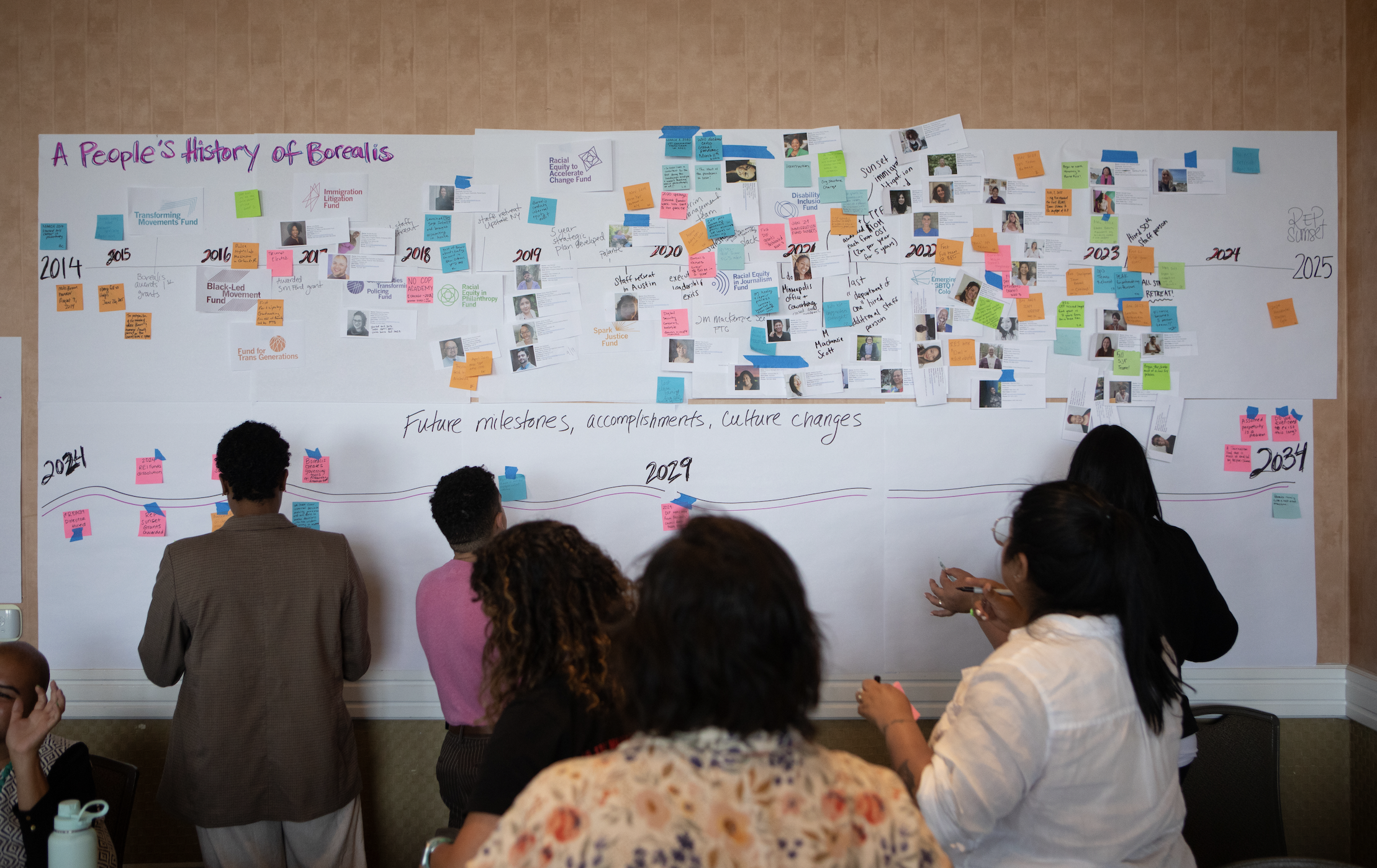
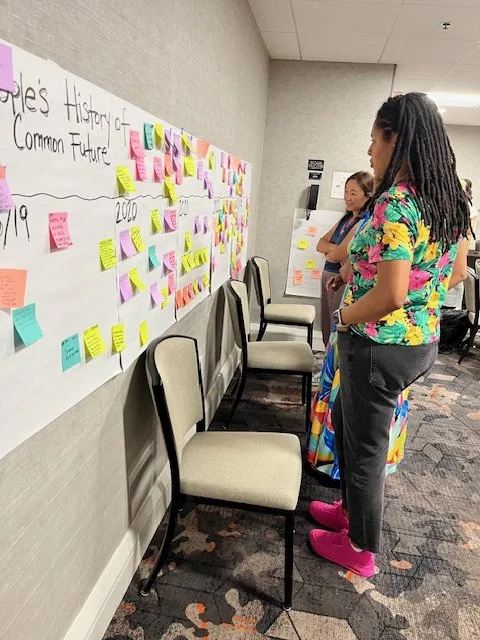
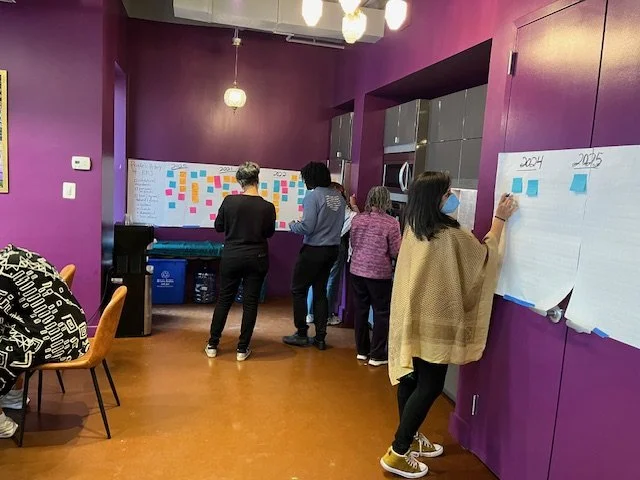
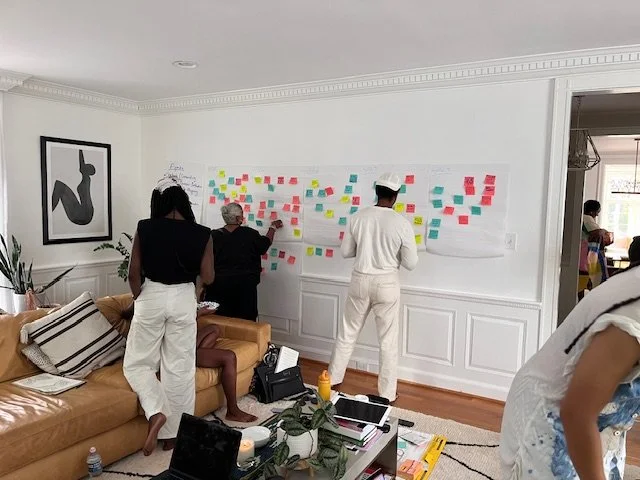
The process builds a real-time timeline of your organization's history, weaving together institutional milestones, personal stories, and the sociopolitical, cultural, and climatic conditions you were navigating along the way. Because your work didn't happen in a vacuum. It happened during political shifts, public health crises, leadership transitions, and collective grief. That full picture matters.
What emerges is almost always surprising. Patterns nobody had named out loud. Grief sitting quietly beside major achievements. Values that showed up most clearly during the hardest moments. And often, for the first time, people feel genuinely invited to bring their whole selves into an organizational development activity. That shift alone can change everything.
This is not nostalgia work. It's strategic work. The clarity that comes from honest collective memory is some of the most useful fuel for planning, culture change, and decision-making I've ever seen in a room.
The “People's History of…” is especially useful for organizations in transition, teams navigating change or uncertainty, and groups that need alignment before they can move forward together.
If that sounds like where you are, I'd love to learn more.